
The majestic beauty of Yosemite National Park is unparalleled, especially when its waterfalls cascade with renewed vigor during the winter and spring months!
As snowmelt feeds these breathtaking natural attractions, Yosemite transforms into a magical wonderland. With winter and spring comes a plethora of roaring cascades to visit in and near Yosemite. The summer crowds thin out, the air turns crisp, and the park’s famous waterfalls take on a tranquil beauty. Many roads in the lower elevations remain open all year (though high-elevation routes like Tioga Pass close for the season). This means you can still reach plenty of stunning cascades in and around Yosemite during winter – you’ll just want to pack good shoes, warm clothes, and maybe some tire chains for your car. Ready to chase some waterfalls?
Corlieu Fall
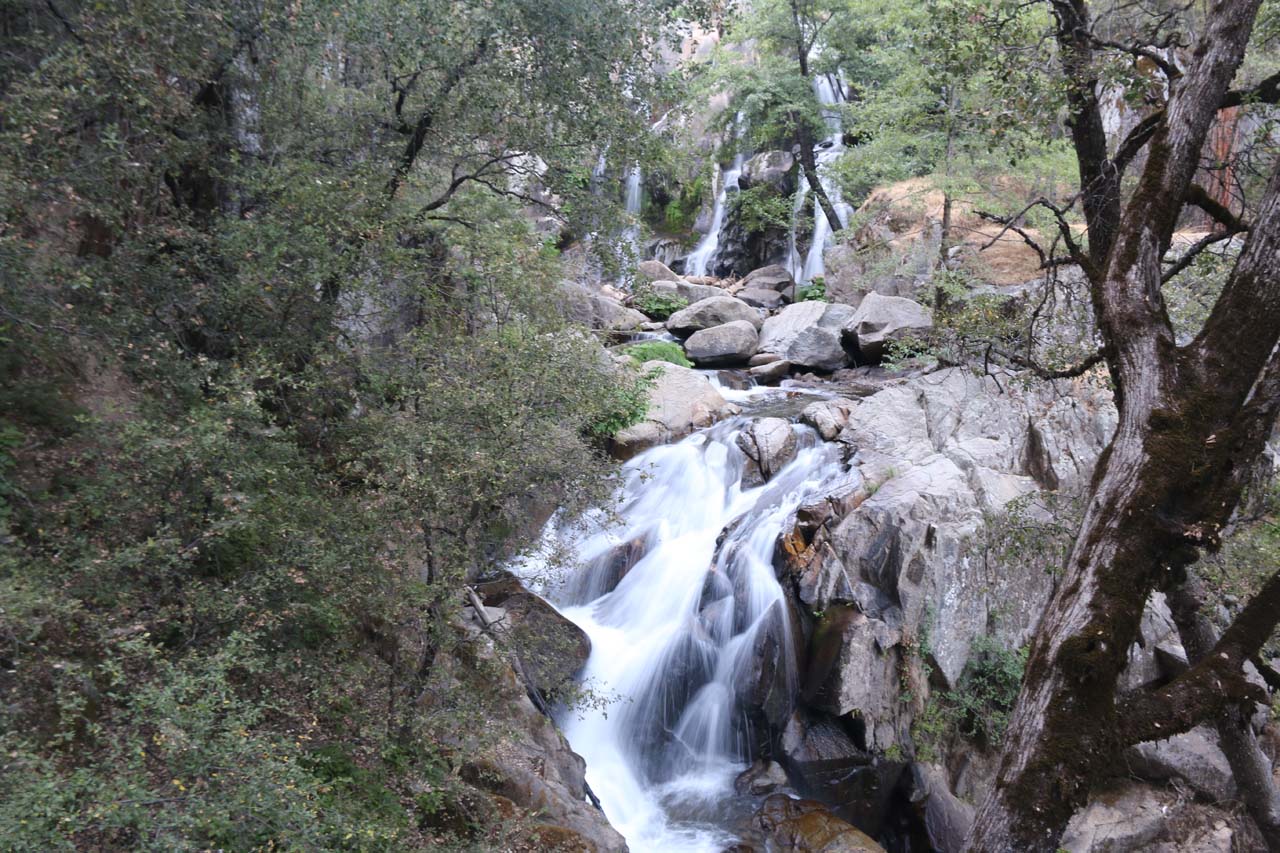
Corlieu Fall is a gem hidden along the Lewis Creek National Scenic Trail, just outside Yosemite’s south gate. Tucked in the Sierra National Forest near Oakhurst, this 80-foot cascade spills through a narrow, wooded canyon. Reaching Corlieu Fall is half the fun – it’s about a 0.5-mile round-trip hike from the trailhead, making it an easy winter outing for most visitors. The trail descends gently to a viewing area where you can admire the waterfall plunging over mossy rocks. In winter, flow can be lighter than spring, but recent rains will keep it photogenic (and you might even get the place to yourself). Do be cautious of any icy patches or slippery rocks along the creek. This area sees far fewer visitors than Yosemite Valley, so you’ll experience serenity and natural beauty without the crowds. It’s a perfect first stop if you’re staying near Yosemite’s South Entrance. The trail is maintained by Sierra National Forest – it has a moderate 977-foot elevation gain along an old lumber flume route with beautiful flora in spring. Be prepared for local trail conditions (like downed trees or snow) and pack layers and good boots. Corlieu Fall’s short hike and proximity to the south gate make it an ideal winter leg-stretcher before heading into the park.
Angel Falls
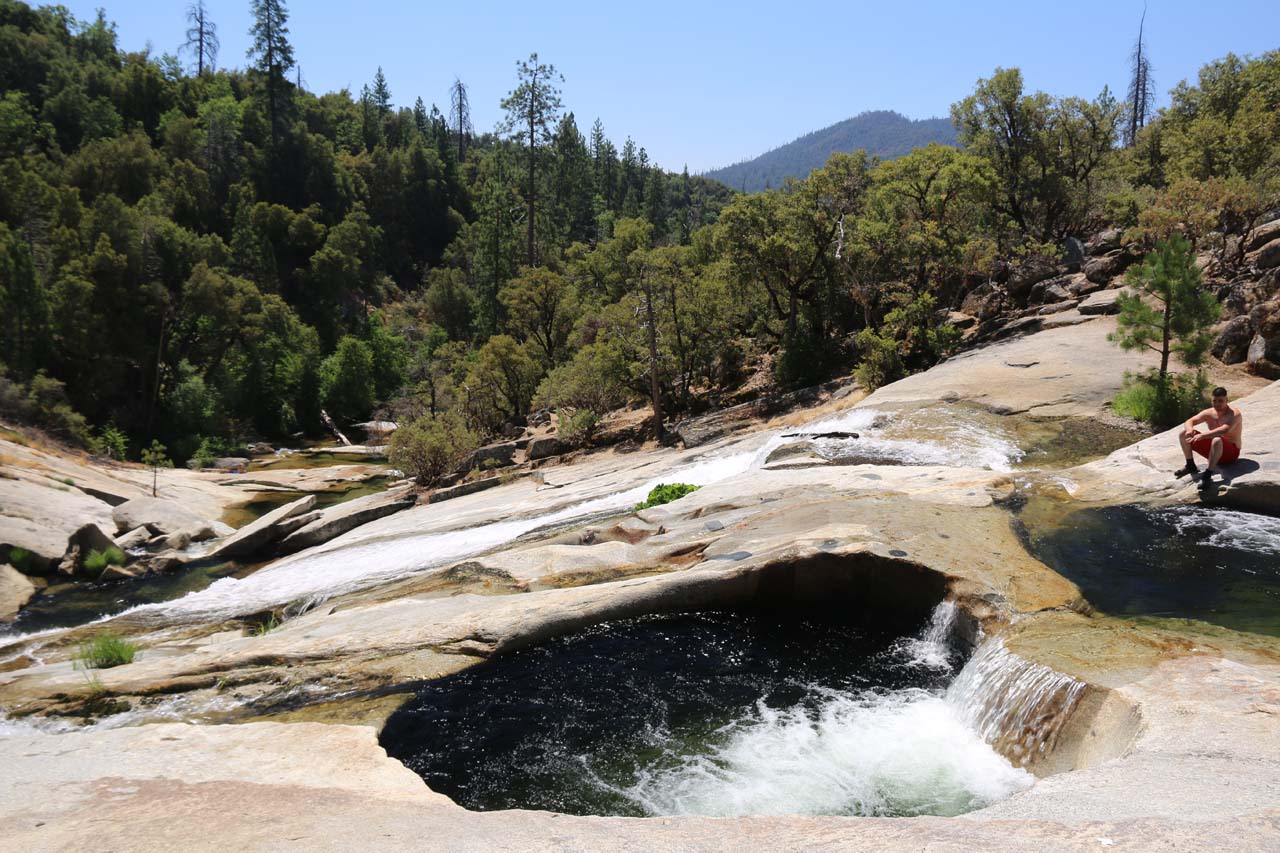
If you’re up for a bit more adventure, head to Angel Falls near Bass Lake, not far from Oakhurst. This waterfall is actually a pair of falls along Willow Creek – Angel Falls and the nearby Devil’s Slide – accessible via the Willow Creek Trail in Sierra National Forest. In winter, the trail can be trickier, but the sights are worth it. Angel Falls cascades over smooth granite, creating pools that are popular swimming holes in summer.The Willow Creek Trail is about 2.7 miles long (round-trip) and rated moderate to steep. During winter, be prepared for some icy or wet spots near the falls. Take it slow and stay on the trail for safety. You’ll hike through pine and cedar forest, hearing the creek long before you see the waterfall. After about a mile, you’ll reach Angel Falls tumbling down multiple tiers. In the quieter winter season, you might have this playful waterfall all to yourself. The mist can freeze into delicate icicles on nearby rocks when it’s cold, creating a lovely winter scene. The Bass Lake Ranger District maintains this area and may charge a parking fee at the trailhead. With proper footwear and perhaps trekking poles, Angel Falls is a thrilling off-the-beaten-path winter waterfall to visit, especially if you’re lodging around the south gate communities.
Chilnualna Fall
Not all of Yosemite’s waterfalls are in the Valley – Chilnualna Fall in the Wawona area (near the south entrance) offers a more rugged winter hike. Actually composed of five large cascading falls along Chilnualna Creek, this series of waterfalls flows year-round (peaking in May). In winter, the upper cascades often freeze into delicate tendrils of ice, forming elegant natural ice sculptures along the granite rocks. It’s a sight you won’t get in warmer seasons! The full Chilnualna Falls Trail is strenuous – about 8.2 miles round-trip with 2,400 feet of elevation gain to reach the very top. But the good news is you don’t have to do the whole hike to enjoy a winter payoff. From the trailhead in Wawona, it’s less than 0.25 miles to the first cascade, a lovely waterfall in its own right. Many visitors turn around at this lower fall for a shorter 0.5-mile round-trip stroll. If you’re feeling more ambitious (and properly equipped), you can continue up the trail to catch glimpses of the higher cascades through the trees as you climb. The trail might have patchy snow or mud in winter, so wear sturdy, tractioned boots and be prepared for chillier temps at Wawona’s 4,000-foot elevation. The trail is open year-round. Winter visitors should start early (short daylight hours) and turn back if conditions get slick. Even a partial hike is rewarding – you’ll get forest tranquility and maybe some snow-dusted scenery. Plus, Wawona is just minutes from Yosemite’s South Entrance, making it easy to reach from your vacation rental near the south gate.

Bridalveil Fall
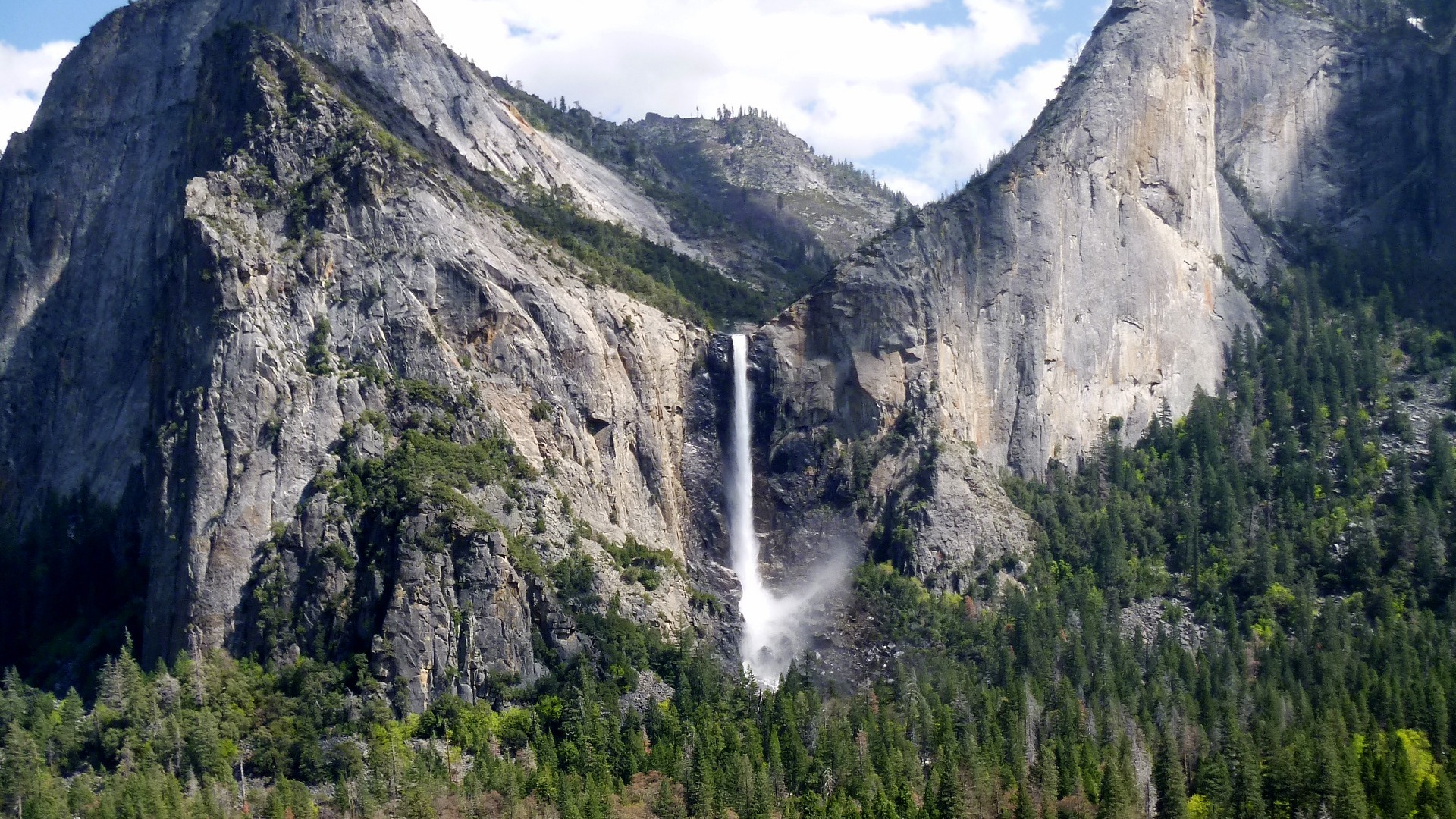
No Yosemite waterfall list would be complete without Bridalveil Fall, one of the first falls you see when you enter Yosemite Valley. The great news for winter travelers is that Bridalveil Fall flows year-round. In spring it thunders, but in winter you’ll usually see a more wispy, swaying flow – still beautiful as it catches the sunlight and mist swirls at the base. At 620 feet tall, Bridalveil Fall creates an icy veil of water that rarely dries up. Reaching Bridalveil Fall in winter is quick and easy. A paved trail ~0.5 miles round-trip leads from the parking area to the base viewpoint. It only takes about 20 minutes, but watch your step: the trail can be icy and very slick in winter from the constantly moist spray. Wear shoes with good traction (and maybe hold a handrail or use trekking poles if it’s especially slick). The effort is worth it – standing at the viewing platform, you’ll feel the cool mist (sometimes the mist even freezes into frosty little crystals on nearby rocks!). Look up to see the waterfall plunging from the hanging valley above. In the quieter winter atmosphere, the sound of Bridalveil Fall crashing down is incredibly soothing. If the main parking is full or closed, you can park along Southside Drive and walk a bit further to the falls – but in winter you’ll usually find a spot easily. Don’t forget to turn around and take in the view of the Valley behind you, too; winter brings frequent morning fog and dramatic clouds that make Yosemite Valley look like a scene from a postcard.
Vernal Fall
Vernal Fall lives up to its reputation with a brilliant rainbow in the mist at its base. If you’re up for a winter hike, Vernal Fall is one of the most rewarding destinations. This 317-foot waterfall is famed for the Mist Trail steps beside it, where spring hikers get drenched in its spray. In winter, Vernal Fall still runs strong (it’s fed by the Merced River) and often forms beautiful rainbows on sunny days, but accessing it requires taking the alternate winter route. The Mist Trail’s steep staircase closes in winter due to the risk of falling ice and rock. Instead, you’ll hike up via the John Muir Trail (JMT) partway. Here’s how: Start at Happy Isles trailhead in Yosemite Valley. It’s about 0.8 miles to the Vernal Fall footbridge, where you get your first view of Vernal Fall thundering downstream. In winter, beyond this point, the direct Mist Trail section up the slippery stairs is closed for safety. So you’ll follow the winter route: continue on the John Muir Trail uphill toward Clark Point. This trail will lead you above the closed section. You’ll rejoin the Mist Trail near the top of Vernal Fall. From there, you can carefully approach the overlook (exercise extreme caution near any wet rocks – ice can form at the brink!). The round-trip to the top of Vernal Fall and back is about 3 miles and can be strenuous, especially with possible snow/ice on the path. Take your time and bring traction devices if conditions are icy. On a clear day, the low-angled winter sun often creates a vivid rainbow in the mist at midday. Always check trail conditions before you go; the park’s current conditions page will note if the JMT or other segments are impassable due to snow. Dress in layers; you’ll heat up hiking but it cools down by the falls. And remember, what goes up must come down – allow enough daylight to return safely.

For a cozy and convenient base during your Yosemite winter adventure, consider staying with Lumilodges. Located near Yosemite’s South Entrance, Lumilodges offers modern amenities and comfortable accommodations set against stunning mountain views. Book your stay today and make your getaway truly memorable!